Things to Do in Libreville in September
September weather, activities, events & insider tips
Low Season · Budget Friendly
September Weather in Libreville
Long-run averages for September
81°F (27°C)
High Temp
73°F (23°C)
Low Temp
4.1 inches (104 mm)
Rainfall
84%
Humidity
12
Sunny-Day UV
⚠ Malaria risk increases as September rains return and standing water accumulates. Mosquito populations increase, at dusk and dawn. Prophylactic medication is essential, not optional. Start before arrival per your prescribed regimen.
⚠ Afternoon thunderstorms develop rapidly over the Komo estuary with little advance warning. Boat crossings to Pointe Denis and whale-watching excursions may be delayed or cut short. Plan water-based activities for the morning. Keep afternoons flexible for indoor alternatives.
⚠ Equatorial UV at Libreville's latitude penetrates cloud cover effectively. Overcast skies do not mean safe skin exposure. Reapply sunscreen every two hours during outdoor activities. Wear a hat and long sleeves on boat trips where water reflection intensifies exposure.
Is September Right for You?
Weigh the advantages and considerations before booking
Advantages
- + September marks the final full month of humpback whale breeding season off Gabon's Atlantic coast. The whales arrived in these warm equatorial waters back in July. By September, mothers with newborn calves still surface close to shore near the Komo estuary. Half-day excursions leave from Libreville's port in early morning when the sea lies flat and glassy. You are far more likely to get a boat to yourself now. The peak-demand weeks of July and August have passed. Worth it.
- + Accommodation pressure drops sharply after August. French and European expatriate families filled Libreville's guesthouses during the grandes vacances. They have returned to work and school routines. The Independence Day crowds have dispersed. September pricing tends to be noticeably softer than the dry-season peak. Multi-night stays become more negotiable. This applies at mid-range lodges near the waterfront. Book now.
- + The first September rains break three months of equatorial dry season. Libreville's surrounding forests transform from dusty khaki to dense, humid green. The Raponda Walker Arboretum sits north of the city. It covers 6,747 hectares (16,670 acres) of protected canopy near Cap Esterias. The arboretum comes alive with birdsong and the earthy smell of wet laterite trails. Migratory shorebirds start arriving at Akanda National Park's mudflats. They join resident herons, spoonbills, and pink-backed pelicans. Pack binoculars.
- + September brings 104 mm (4.1 inches) of rain. This is manageable compared to what follows. October dumps 427 mm (16.8 inches). November brings 490 mm (19.3 inches). September is the last month where morning plans reliably hold. Boat crossings to Pointe Denis run without weather cancellations. Most rain falls in concentrated afternoon bursts. These blow through in under an hour. Evenings stay clear and cooled down. Plan mornings.
Considerations
- − Humidity climbs back to 84% after the dry-season dip to 80-81% in July and August. The difference looks modest on paper. On your skin, it is obvious. The air thickens. Clothes stick. A midday walk through Mont-Bouet market leaves you wrung out. The drier months did not do this. Air conditioning shifts from comfort to structural necessity. Stay hydrated.
- − Libreville's cultural calendar goes quiet after August. Independence Day falls on August 17. The Festival of Cultures, the city's largest multi-province gathering, typically wraps up in late August. September has no major public festivals. The city settles into a working rhythm. If you came for spectacle, you are a few weeks late. Skip this.
- − Some whale-watching operators reduce trip frequency in September's final weeks. The breeding season winds down. You may encounter minimum group-size requirements before a boat will go out. Occasional morning squalls can push departure times. They can also shorten excursion windows. Booking flexibility helps here. Call ahead.
Best Activities in September
Top things to do during your visit
Humpback Whale Watching Excursions off the Libreville Coast
September is the tail end of the July-to-September breeding window. The humpbacks are still here. Mothers with calves cruise the warm waters just off the Komo estuary. They breach and spy-hop close enough that splash mist reaches the boat. The mornings are the window. The Atlantic off Libreville tends to be calm before noon. Low cloud cover often sits over the water at first light. This burns off by mid-morning. You get open views without midday glare hammering off the surface. By late September some pods start their southward migration. Earlier in the month is better. Boat trips typically run three to four hours. The equatorial sun is fierce even through haze. Long sleeves and a hat matter more than you think. What makes September superior to July or August is the quiet. Fewer boats. Less engine noise. Encounters feel private rather than shared with a flotilla. Go early.
Booking Tip: Book at least a week ahead through licensed marine operators. Ask specifically whether the operator follows WCS Gabon's whale-watching guidelines. These include minimum approach distances and engine-off protocols. Morning departures are strongly preferable to afternoon slots. See current tour options in the booking section below. Verify credentials.
Akanda National Park Mangrove and Birding Expeditions
Akanda sits just north of Libreville. It is a Ramsar-listed wetland of international importance. Tidal mudflats, mangrove channels, and open lagoons draw one of Central Africa's largest concentrations of migratory shorebirds. September is when the first Palearctic migrants arrive from Europe and northern Africa. They join resident pink-backed pelicans, African spoonbills, and several heron species that stalk the shallows. You reach the park by pirogue from Ambow or from Cap Esterias. The boat ride itself is half the experience. You smell brackish mangrove water. You hear wavelets slap against the hull. Then comes sudden stillness when the engine cuts. Your guide poles through channels narrow enough to touch aerial roots on both sides. Birders should bring a long lens and patience. The mudflats at low tide are the sweet spot. Hundreds of waders probe exposed sediment in near-silence. Non-birders still get something out of it. The mangrove architecture alone, roots twisting out of copper-brown water, is worth the trip. Do this.
Booking Tip: Arrange through a licensed guide or nature operator in Libreville at least several days ahead. Akanda trips require a boat and a guide who knows the tidal schedule. Low tide is essential for shorebird access. Trip timing depends on the lunar calendar. Bring binoculars, sun protection, and water. Check current guided options in the booking section below. Confirm tides.
Pointe Denis Beach and Estuary Day Trips
Pointe Denis sits across the Komo estuary from Libreville, a sand spit reachable in about twenty minutes by motorized pirogue. The shift hits immediately. You leave diesel fumes and traffic noise behind. You arrive at a shoreline where Atlantic surf and rustling coconut palms are the only sounds. The beach sand is coarse and tawny, nothing like the powdered white of the Indian Ocean. The water is warm and swimmable. In September you will likely have long stretches of shore to yourself. The real draw is the light. September's broken cloud and equatorial sun create dramatic, shifting conditions photographers wait for. Shafts of gold cut through grey cumulus over green water. Bring your own food and drinks. Or eat at beachside setups grilling fresh fish over charcoal. The return crossing can get choppy if afternoon winds pick up. Plan to head back before mid-afternoon. Or accept a bumpy ride.
Booking Tip: Pirogues to Pointe Denis leave from Libreville's port area throughout the morning. No advance booking is strictly necessary on weekdays. Weekend demand from Libreville residents can fill boats by mid-morning. Agree on a return time and fare before departure. A full day is ideal. A half-day feels rushed. See current excursion options in the booking section below.
Raponda Walker Arboretum Forest Walks near Cap Esterias
About 20 km (12.4 miles) north of Libreville, the Raponda Walker Arboretum covers 6,747 hectares (16,670 acres) of protected equatorial forest. Marked trails range from 500 m (0.3 miles) to 4 km (2.5 miles). September's returning moisture means the canopy is dense and dripping. The air carries the smell of wet earth and decomposing leaf litter. The undergrowth hums with insects and hornbill calls moving through the upper stories. The forest floor is spongy underfoot. The humidity under the canopy makes outside air feel dry by comparison. One trail winds to the beach, where forest breaks suddenly onto sand and Atlantic breeze. The arboretum has been classified as a protected area since 2012. Trails are well enough marked to walk independently. A local guide adds enormously to what you notice: medicinal plants, primate traces, subtle differences between primary and secondary forest. Go early. By 10 AM the heat under the canopy turns oppressive. Afternoon storms can make trails slippery.
Booking Tip: Arrange transport to Cap Esterias through your accommodation or a licensed taxi. No reliable public transit reaches the trailhead. Guides can be arranged locally or through nature-focused operators in Libreville. Wear closed-toe shoes with grip. Bring at least two liters of water per person. Apply insect repellent before entering the forest. Current guided options may appear in the booking section below.
Mont-Bouet Market and Gabonese Food Immersion
Mont-Bouet is Libreville's central market, large and loud, a sensory overload where hundreds of stalls sell everything from smoked fish and forest snails to bolts of wax-print fabric and traditional medicine. The food section is the reason to come. Women tend charcoal grills where whole capitaine fish blacken over palm-wood coals. Smoke curls through corrugated roofing into the equatorial sky. This is where you eat poulet nyembwe, Gabon's national dish. Chicken slow-cooks in a dense, orange-red sauce made from crushed palm-fruit pulp with garlic, onion, and scotch bonnet pepper. The sauce sits somewhere between thick peanut stew and spiced coconut curry. It is served with baton de manioc, dense, chewy cassava sticks wrapped in banana leaves. Tear off pieces to scoop. September's returning rains flush fresh crevettes into the Komo estuary. The market's fish vendors benefit directly. Prawn quality peaks. The grilled crevettes, charred shell and all, eaten with a squeeze of lime, are as good as Libreville's food gets. Go at dawn for the widest selection and coolest temperatures. By midday the heat and press of bodies make browsing an endurance test.
Booking Tip: No booking required. First-timers benefit from going with a local guide or food-focused tour operator. They navigate the maze of stalls. They translate from French or Fang. They steer you toward the best grill stations. Carry small-denomination CFA franc notes. Vendors rarely have change for large bills. See if guided food experiences appear in the booking section below.
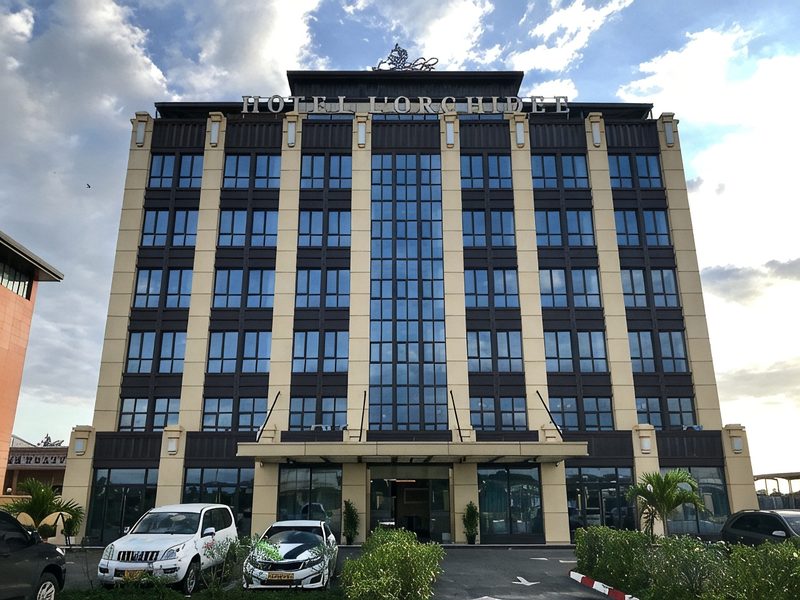
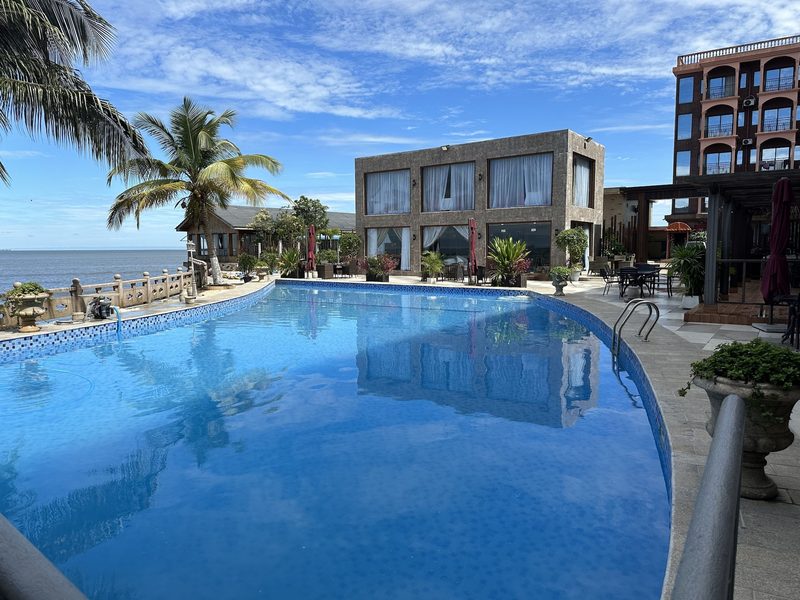
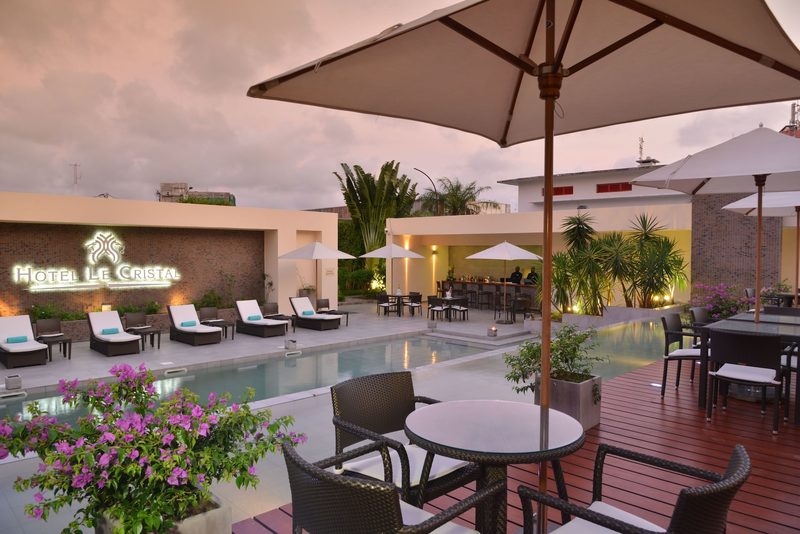
Where to Stay in Libreville in September
Hand-picked hotels across price tiers for September travellers.
Packing Checklist
Bookmark this page — your progress is saved between visits
Need the full list with shopping links?
Climate-specific gear, brand recommendations, and what to leave at home.
View Libreville Packing List →Essential Tips
Insider knowledge and common pitfalls to avoid
Insider Knowledge
The real Libreville food scene starts at dawn behind Mont-Bouet market. Skip the expatriate-oriented waterfront restaurants. The women running the charcoal grills have cooked the same dishes for decades. A plate of grilled capitaine with manioc and pepper sauce, eaten on a wooden bench at 7 AM with smoke drifting through the corrugated iron roof, beats anything the hotel dining room serves at ten times the implied cost.
September's returning rains flush fresh prawns and crevettes into the Komo estuary. Fishermen at Port Mole sell them still twitching from predawn hauls. If your accommodation has kitchen access, buying directly from the port in early morning gets you seafood at its absolute freshest. Ask for crevettes grises, the small grey estuary shrimp. Locals pan-fry these with garlic and piment until the shells crisp.
The expatriate social circuit in Libreville is compact and surprisingly welcoming. Friday evenings along the Boulevard du Bord de Mer, waterfront bars fill with NGO workers, oil-industry staff, diplomats, and long-term residents. They mix freely over cold Regab, the local lager. One conversation there teaches you more about how Gabon functions than a week of solo sightseeing.
Book whale-watching trips for the first two weeks of September, not the last. Humpback numbers thin as the month progresses. Operators sometimes cancel late-September departures if sightings drop off. If whales are your primary reason for visiting, front-load your schedule. Build beach days at Pointe Denis around whatever whale trips confirm.
Avoid These Mistakes
Never photograph the Presidential Palace, military buildings, or police installations. This is enforced seriously and without warning. Officers will confiscate your phone or camera. They may detain you until images are deleted in front of them. Keep the lens pointed at the market, the estuary, the forest. Anything except government infrastructure.
Do not assume credit or debit cards work outside international-chain hotels. Libreville runs on CFA franc cash for nearly everything: taxis, markets, smaller restaurants, boat crossings, park entry. Withdraw enough from airport or bank ATMs to cover several days. Carry small denominations. Contactless payment and mobile money are not yet widely accepted by vendors a visitor would encounter.
Avoid unmarked or unregistered taxis after dark. Licensed cabs in Libreville are identifiable by their color coding. Always settle the fare before getting in. Meters do not exist. After-hours rides with random vehicles are the single most common source of robbery incidents involving visitors. Arrange evening transport through your accommodation instead.
Ready to plan your trip to Libreville?
Now that you've got the research covered, here's where to go next.
Explore More Activities in Libreville
Didn't see anything interesting yet?
Browse Viator's full catalog of tours, day trips, food experiences, and private guides in Libreville.
See All Libreville Tours on Viator