Things to Do in Libreville in June
June weather, activities, events & insider tips
Low Season · Budget Friendly
June Weather in Libreville
Long-run averages for June
81°F (27°C)
High Temp
73°F (23°C)
Low Temp
2.1 inches (53 mm)
Rainfall
84%
Humidity
9
Sunny-Day UV
⚠ Humidity remains at 84% despite the drop in rainfall, and the equatorial sun at Libreville's near-zero latitude is intense even on overcast days, heat exhaustion is a real risk for travelers unaccustomed to tropical conditions, during midday outdoor activities between 11 AM and 2 PM. Hydrate aggressively and plan shade breaks. Seek cover. Drink constantly. Respect the sun.
⚠ Mosquito-borne illness risk, malaria, persists year-round in Libreville and does not diminish meaningfully during the dry season. Mangrove and estuarine areas near Akanda, Pointe Denis, and the waterfront are active breeding zones at dusk and dawn. Take prophylaxis. Use repellent. The dry season is not protection.
Is June Right for You?
Weigh the advantages and considerations before booking
Advantages
- + June kicks off Libreville's long dry season, and the shift is dramatic. Rainfall crashes from May's 9.7 inches (246 mm) to just 2.1 inches (53 mm). You can plan full outdoor days without the three-hour afternoon deluges that define the wet months. The air smells different in June. Less damp, vegetal rot. More charcoal smoke drifting from grilled-fish stands along the waterfront.
- + Daytime highs hover around 27°C (81°F). For an equatorial city sitting practically on the zero-degree latitude line, this is about as mild as Libreville ever gets. You can walk the laterite-red backstreets behind Mont-Bouet market at midday. In March, that same walk feels punitive. The heat wall is real.
- + Atanga season hits in June. The waxy, plum-colored safou fruit floods every market stall, boiled and salted. Its creamy, slightly bitter flesh becomes a seasonal obsession in Gabonese households. This is a food event, not just agriculture. Share atanga with locals at Mont-Bouet. It is one of the fastest ways to move from tourist to guest.
- + Libreville never sees real tourist crowds. June's dry-season window spreads the few visitors even thinner. Pointe Denis beaches, the Arboretum de Sibang trails, and the estuarine waterways around Akanda National Park feel empty. This is rare for a capital city's backyard wilderness. Take advantage.
Considerations
- − Libreville ranks among the most expensive cities on the African continent. The oil economy pushed accommodation, dining, and transport costs well above what travelers accustomed to West or East African pricing would expect. June brings no seasonal relief. Dry-season demand, if anything, nudges prices slightly higher for the limited accommodation options worth staying in. Budget accordingly.
- − Tourism infrastructure remains underdeveloped by international standards. Organized tours are scarce. English-speaking guides are rare. Signage at cultural and natural sites is minimal or absent. The traveler-oriented booking systems common in East Africa simply do not exist here. You will need functional French. You will need a tolerance for improvisation. Both are non-negotiable.
- − The marine wildlife season has not started in June. Humpback whale watching along the Gabonese coast does not reliably begin until July or August. Leatherback turtle nesting peaks from November through March. If large marine encounters are your primary draw, you are likely a month too early. Plan for July instead.
Best Activities in June
Top things to do during your visit
Pointe Denis Peninsula Beach and Coastal Forest Excursion
The speedboat ride from Libreville's waterfront across the Komo estuary to Pointe Denis takes roughly 20 minutes. In June, the water is calm enough that you arrive dry. The peninsula sits within Pongara National Park. The Atlantic-facing beach backs into thick, untouched coastal forest. Step off the sand and the air turns cool. It smells of damp earth and leaf litter. June's dry conditions keep the trails behind the beach passable. No wading through mud. The sand itself, faintly reddish from laterite sediment, stretches wide at low tide. Water temperature sits around 24°C (75°F). Noticeably cooler than the sweltering wet-season months. Bring your own provisions. Facilities on the peninsula are sparse to nonexistent. The last return boats leave in the late afternoon. This is the single best half-day escape from Libreville. June is likely the cleanest weather window to do it in.
Booking Tip: Arrange boat transport through licensed operators at Libreville's waterfront departure points at least a day in advance. Do not rely on showing up and finding a seat, on weekends. Confirm return times before you depart. See current options in the booking section below.
Akanda National Park Mangrove and Birding Pirogue Tours
Akanda National Park begins where Libreville's northern suburbs end. This makes it one of the most accessible protected mangrove systems on the Central African coast. In June, receding water levels from the dry season concentrate birdlife along narrowing channels. Herons, kingfishers, and African fish eagles are easier to spot when they are not dispersed across flooded forest. The pirogue, a dugout canoe, is the traditional way to navigate the root-tangled waterways. The experience is almost entirely acoustic. The dip and drip of the paddle. The snap of mangrove crabs. The occasional screech of a grey parrot overhead. The water in the channels smells briny and vegetal. Shade under the mangrove canopy drops the temperature noticeably compared to the open estuary. Morning departures, ideally before 8 AM, give you the calmest water. Wildlife is most active then. Midday heat flattens everything into stillness. Avoid it.
Booking Tip: Pirogue guides operate informally from fishing villages on Akanda's edges. Arrange through your accommodation or a local guide service at least two days ahead. Groups of two to four work best for the narrow channels. Check current guided tour options in the booking section below.
Mont-Bouet Market and Libreville Street Food Circuit
Mont-Bouet is Libreville's central market and the sensory center of the city, a large, low-roofed maze where the smell of smoked fish hits you from a block away and the air inside is thick with palm oil, dried chili, and the sharp green tang of fresh manioc leaves. June is atanga season. Every other vendor has piles of the waxy purple safou fruit, boiled and served warm with a pinch of coarse salt, the flesh rich and slightly bitter in a way that grows on you by the third piece. The market is not designed for tourists. It is loud, crowded with Librevillois doing their daily shopping, and navigating the alleyways between stalls of smoked bush meat, pyramids of plantains, and baskets of dried crevettes requires shoulder-to-shoulder patience. But this is where you eat the way Libreville eats: nyembwe chicken in palm-nut sauce ladled over manioc from a market-side stall, the sauce glossy and ochre-colored, tasting of earth and smoke and slow-rendered fat. Come hungry. Come in the morning before the afternoon heat turns the covered sections into ovens. Come with small CFA franc notes.
Booking Tip: Guided market tours are worth the investment here. A local guide navigates the maze, handles the French-language negotiations, and knows which stalls have been operating for decades. Book through a licensed cultural guide at least a few days ahead. See available food and market tours in the booking section below.
Arboretum de Sibang Tropical Forest Walk
The Arboretum de Sibang, on the outskirts of Libreville, is a remnant patch of equatorial rainforest that was preserved as a forestry research station and has since become the city's most accessible window into the Gabonese interior ecosystem. The trails run beneath a canopy so dense that even at noon the light filters down in shafts, and the air is noticeably cooler and wetter than the city streets just a few kilometers away. June's reduced rainfall means the paths are firm rather than the ankle-deep mud of March and April, and the forest floor is alive with the rustle of insects, the drip of residual moisture from leaves overhead, and the occasional crash of a monkey moving through the upper branches. The smell is classic Central African forest: damp bark, decomposing leaves, and the faintly sweet scent of something flowering out of sight. This is a morning activity. Aim for an early start when the forest is coolest and the birdlife most vocal. Plan for roughly two hours of walking on uneven terrain.
Booking Tip: Access sometimes requires coordination with the forestry research station. Arrange a visit through a local guide or your accommodation rather than showing up unannounced. Small groups are preferable. Check current guided nature walk options in the booking section below.
Cap Esterias Coastal Village and Beach Exploration
Cap Esterias sits about 30 km (19 miles) north of Libreville's center, where the coast breaks into a series of rocky headlands, fishing villages, and stretches of sand backed by coconut palms. The drive itself is worth the trip. The road climbs out of the city through increasingly rural settlements, and by the time you reach the cape the noise and diesel fumes of Libreville have been replaced by the sound of surf and the smell of salt air mixed with woodsmoke from fish-drying racks. June's dry conditions make the unpaved sections of the coastal road passable without a four-wheel drive, which is not always the case in the wet months. The beaches here are rougher and less manicured than Pointe Denis: dark sand, volcanic rock pools, the kind of coastline where the Atlantic feels powerful rather than gentle. The fishing villages offer grilled barracuda and capitaine served on banana leaves, cooked over charcoal within sight of the pirogues that caught them that morning. Spend a half day. Bring sun protection. Do not swim without asking locals about current conditions.
Booking Tip: Hire a driver through your accommodation for the round trip rather than attempting public transport, which is unreliable beyond Libreville's urban core. A full half-day trip works best. See current coastal excursion options in the booking section below.
Libreville Architectural and Cultural Heritage Walking Tour
Libreville's built history is scattered and easy to miss if you are not looking for it, but a guided walk through the older quarters reveals layers that reward attention. The Eglise Saint-Michel de Nkembo is the anchor, a church whose interior columns and panels were carved from local hardwood by Gabonese artisans, the designs blending Christian iconography with Central African motifs in a way that feels original rather than imported. From there, the streets of the Glass neighbourhood, one of the city's oldest, named for the colonial-era trading post, slope down toward the waterfront past crumbling colonial facades with rusted balconies and bougainvillea climbing through the cracks. The Musee National des Arts et Traditions holds masks and ritual objects from the Fang, Myene, and Punu peoples, the carved faces staring out from dim rooms that smell of aged wood and museum dust. June's comfortable temperatures make walking between these sites tolerable in a way that the wet-season heat does not, and the dry pavements mean you are not dodging puddles and runoff the entire time. Start in the morning. Take three to four hours. Wear comfortable shoes. The sidewalks are uneven when they exist at all.
Booking Tip: English-speaking cultural guides are rare but do exist. Arrange through a reputable local tourism agency at least a week ahead, as availability is limited. Groups of four to six are ideal. Check current walking tour options in the booking section below.
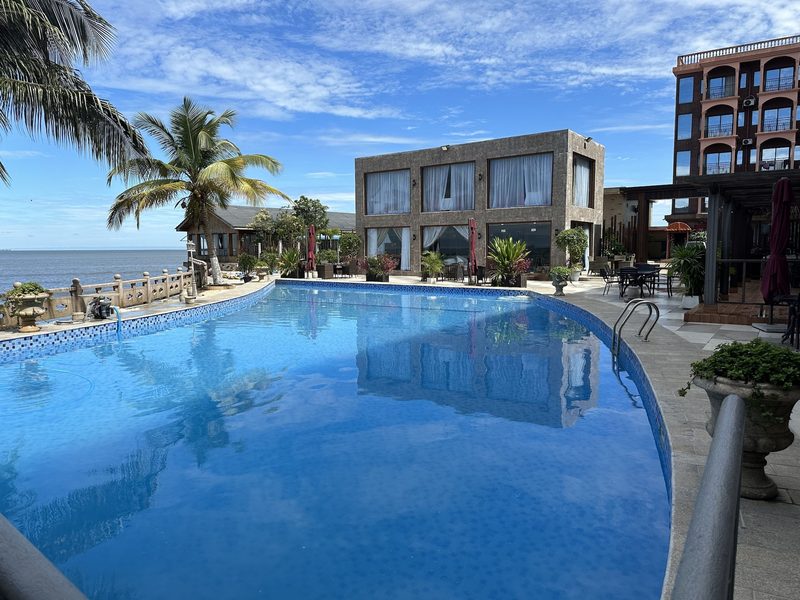
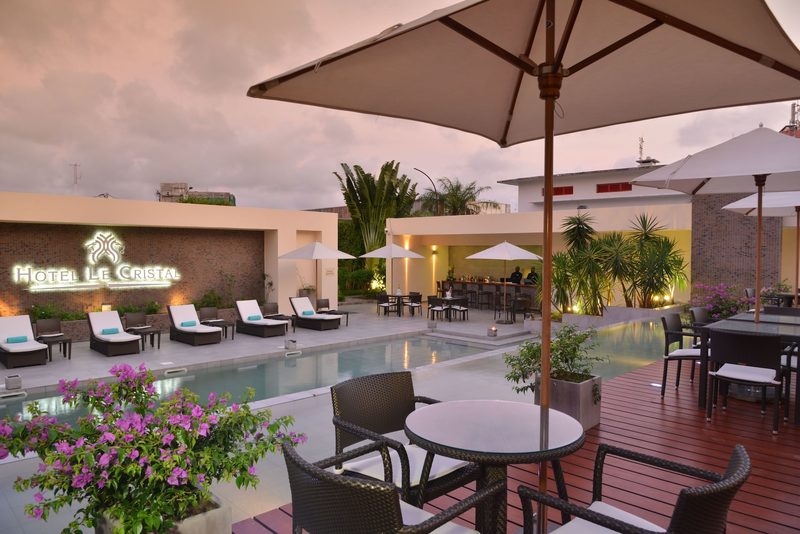
Where to Stay in Libreville in June
Hand-picked hotels across price tiers for June travellers.
Public Holidays in June
Dates that affect opening hours, transport and crowds
Whit Monday
Observed nationwide as a public holiday.
Packing Checklist
Bookmark this page — your progress is saved between visits
Need the full list with shopping links?
Climate-specific gear, brand recommendations, and what to leave at home.
View Libreville Packing List →Essential Tips
Insider knowledge and common pitfalls to avoid
Insider Knowledge
Atanga season in June is a genuine cultural event. Boiled safou fruit appears at Mont-Bouet market in pyramids. Vendors sell them warm and salted. Ask one to choose a ripe specimen. Guidebooks cannot replicate this conversation. Eat with your fingers. The creamy, resinous flesh stains everything. Wear clothes you do not mind marking.
The Komo estuary is calmest before 9 AM. Early crossings to Pointe Denis run smoother and drier. Afternoon returns face stronger wind. Depart at first light. Catch golden-hour light as Libreville's waterfront recedes.
Libreville's waterfront promenade wakes after sunset. Daytime heat breaks. Locals gather along the seawall. Grilled-fish vendors light charcoal braziers. Smoke drifts across the walkway. The city shifts from functional to relaxed. This is Libreville at its most authentic. Eat grilled capitaine on a plastic chair. This is the city's communal dining room.
The Glass neighbourhood holds Libreville's oldest colonial architecture. These buildings crumble. They are occupied, draped in laundry and bougainvillea. They reveal founding stories that Centre-ville towers obscure. Hire a local guide. The history is not posted anywhere.
Avoid These Mistakes
Do not assume Libreville is budget-friendly. The oil economy pushes costs high. Accommodation, dining, transport, and bottled water exceed West African or East African prices. Budget for a moderately expensive European city. This is reality.
Do not skip antimalarial prophylaxis in June. Mosquitoes persist year-round. They thrive near Akanda's mangrove channels and estuarine edges. Malaria risk is real. Medical facilities may disappoint. Consult a travel health provider before departure. Not after.
Do not arrive without conversational French. Pointing and gestures fail here. Taxi negotiations, market interactions, site visits, and restaurant orders require sentences. Travelers who skip preparation face avoidable frustration. Practice for a few weeks before departure.
Ready to plan your trip to Libreville?
Now that you've got the research covered, here's where to go next.
Explore More Activities in Libreville
Didn't see anything interesting yet?
Browse Viator's full catalog of tours, day trips, food experiences, and private guides in Libreville.
See All Libreville Tours on Viator