Things to Do in Libreville in November
November weather, activities, events & insider tips
Low Season · Budget Friendly
November Weather in Libreville
Long-run averages for November
83°F (28°C)
High Temp
74°F (23°C)
Low Temp
19.3 inches (490 mm)
Rainfall
89%
Humidity
11
Sunny-Day UV
⚠ Flash flooding is common on Libreville's low-lying roads after heavy downpours, around the Mont-Bouet market area and coastal sections near the port. Drainage infrastructure is limited. Water can rise knee-deep within thirty minutes of a storm starting. Avoid driving through flooded roads. Keep to higher ground during the heaviest rains.
⚠ Malaria risk intensifies in November as the rains create standing water across the city. Mosquito density peaks in the evening hours and near any pooled water. Use DEET repellent. Sleep under a treated net. Take prescribed anti-malarial medication for the full course.
⚠ Sea conditions in the Gabon Estuary can turn rough quickly when storms move through, making pirogue crossings to Pointe Denis uncomfortable or temporarily suspended. Check conditions before boarding. Be prepared for schedule disruptions on days with heavy squalls.
Is November Right for You?
Weigh the advantages and considerations before booking
Advantages
- + November opens the leatherback turtle nesting season at Pongara National Park, roughly 7 km (4.3 miles) south across the Gabon Estuary. Female leatherbacks, the largest sea turtles on Earth, haul onto dark sand after nightfall to dig nests. November sits early enough in the October-to-April window that beaches remain untouched by peak-season visitors. Guided night walks with park rangers run in small groups with no white light. The encounter stays intimate and quiet. December crowds ruin this.
- + Migratory shorebirds arrive on the mudflats of Akanda National Park, just north of the city. November ranks among the best months for birdwatching around Libreville. Pink-backed pelicans, African spoonbills, and Palearctic waders crowd onto tidal flats that rank among the most important stopover sites on the East Atlantic Flyway. The wet season's swollen creeks push forest species lower in the canopy at the Arboretum Raponda Walker. Birders get better sightlines before 9 AM than dry months allow.
- + Libreville's thin tourist traffic drops to near zero in November. Accommodation rates soften noticeably from the city's normally steep baseline. You will likely have Pointe Denis beach, the Musee National des Arts et Traditions, and the carved-column nave of Eglise Saint-Michel de Nkembo largely to yourself. The city rarely feels crowded even in peak months. November approaches solitude.
- + The rains green everything. Libreville in the dry months of June through August looks dusty and washed-out along coastal roads. By November the forest canopy around the Arboretum is dense and dripping. Flowering trees along Boulevard Triomphal are in full leaf. The laterite earth between market stalls in Mont-Bouet turns the colour of wet terracotta. Photographers take note. The saturated palette and dramatic storm-light reward the inconvenience.
Considerations
- − November is the wettest month of the year in Libreville, with 490 mm (19.3 inches) of rain arriving in heavy, concentrated downpours. Roads flood quickly, low-lying sections near the estuary and around the Mont-Bouet quarter. Drainage infrastructure is limited. Expect some days when an afternoon deluge shuts down outdoor plans for two to four hours at a stretch. Pack accordingly.
- − Humidity sits at 89 percent on average. The air between storms feels thick enough to lean against. Heat plus moisture makes walking any real distance taxing if you are not acclimatised. Even the 2 km (1.2 miles) from the Corniche waterfront to the crafts market at Village des Artisans can exhaust. Mornings before 9 AM and late afternoons after 4 PM are the only tolerable windows. Plan around this.
- − Libreville is expensive by any African standard. The oil economy inflates costs for food, transport, and lodging well above what travellers accustomed to West or East Africa expect. November's low season softens rates somewhat. The city's baseline remains high. Limited competition among restaurants and guesthouses means discounts are modest rather than dramatic. Budget carefully.
Best Activities in November
Top things to do during your visit
Leatherback Turtle Night Walks at Pongara National Park
November falls in the early weeks of the October-to-April leatherback nesting season at Pongara. The timing is strategic. Massive females already arrive on dark Atlantic-facing beaches south of Pointe Denis. Peak-season crowds of December and January have not yet materialised. You cross the Gabon Estuary by motorised pirogue in roughly twenty minutes from the Libreville waterfront. The wet air over the water smells of mangrove and salt. On the beach, rangers lead groups under red-filtered headlamps only. The experience is startlingly visceral. You hear the rasp of a 400 kg (880 lb) turtle dragging herself up coarse sand. You watch the slow excavation of a nest with her rear flippers. You catch the faint briny musk of the animal herself. November's heavy cloud cover helps. Moonless or overcast nights encourage more turtles to emerge. Book through licensed operators at least two weeks ahead. Group sizes are capped by the national parks authority. Current guided excursion options are listed in the booking section below.
Booking Tip: Reserve at least fourteen days in advance. Look for operators with ANPN (Agence Nationale des Parcs Nationaux) permits. These cap group sizes and mandate ranger accompaniment. Departures are tide-dependent. Confirm timing the day before. See the booking widget below for current tour options.
Estuary Birdwatching at Akanda National Park
Akanda's mangrove channels and mudflats sit just north of Libreville. November brings Palearctic migrants onto the tidal flats alongside resident pink-backed pelicans, African spoonbills, and herons. The park protects one of the most important shorebird staging areas on the entire East Atlantic Flyway. Wet season high water pushes wading birds into concentrated, visible groups along narrower shorelines. You will likely need a boat to reach the best flats. The ride takes perhaps thirty to forty minutes from the city's northern waterfront. The air over the mangroves carries that distinctive low-tide smell of anaerobic mud and decomposing leaves. Early morning departures, ideally by 6:30 AM, catch the birds feeding before the heat builds. Bring waterproof binoculars or a rain sleeve for your scope. Tour options are available in the booking section below.
Booking Tip: Arrange guided boat trips at least a week ahead. Few operators serve Akanda regularly. Insist on a guide who knows the tidal schedule. The mudflats disappear at high tide. The birds disperse. Check the booking widget below for current availability.
Rainforest Walking at the Arboretum Raponda Walker
Named after the Gabonese botanist and historian, this patch of lowland equatorial forest on Libreville's outskirts is the most accessible canopy walk in the city. November's rains make the trails muddy but also bring the forest to its most alive: fungi colonise fallen trunks overnight, the understorey drips with moisture, and the smell is pure wet humus, that dense vegetal richness you only get in equatorial forest after rain. Birders know this spot for species like the Red-billed Dwarf Hornbill and Lesser Bristlebill. But even non-birders will feel the scale of the trees overhead. The canopy stays active until about 9 AM, after which the heat and humidity flatten most animal movement. Gates open at 7:30 AM, and weekday mornings are emptiest. Wear shoes with aggressive tread, not sandals, as the clay paths turn slick. The arboretum is compact enough for a two-to-three-hour visit.
Booking Tip: No advance booking needed for general entry. Hiring a local naturalist guide at the gate dramatically improves bird identification, since canopy species are difficult to spot without trained ears. Arrive right at opening for the best wildlife activity. Check the booking widget for guided nature walk options in Libreville.
Pointe Denis Beach and Estuary Day Trip
Pointe Denis is the sand peninsula across the Gabon Estuary from Libreville, reachable in about twenty minutes by pirogue or ferry. In November, the beach is functionally empty. The rainy season keeps the weekend day-trippers from Libreville away, and the handful of beachside restaurants operate at a fraction of their dry-season pace. The ocean side of the peninsula, where the sand stretches for several kilometres toward Pongara, is wilder and less developed, with warm Atlantic water that rarely drops below 27 degrees C (81 degrees F) even in the rainy months. Swimming is fine close to shore, though currents strengthen after storms. The light between rain squalls is extraordinary: charcoal clouds breaking over pale sand, the estuary turning silver. Bring reef-safe sunscreen, a rain layer, and enough water for the day, since supply on the peninsula can be erratic. Grilled fish from one of the waterfront shacks, cooked over charcoal and served with fried plantain and piment sauce, is the standard lunch.
Booking Tip: Ferry and pirogue schedules are loose in the wet season, so confirm departure and return times on the day. Budget a full day rather than a half-day, since weather delays can strand you if you cut it tight. Browse the booking widget below for Pointe Denis excursion packages that include boat transfers.
Marche Mont-Bouet Food and Culture Walk
Mont-Bouet is Libreville's largest and loudest market, and November's rains concentrate the experience: vendors crowd under corrugated-metal roofing while the rain hammers overhead, the air thick with charcoal smoke from poulet braise stands and the sharp, oily perfume of palm-nut paste being cooked down for nyembwe sauce. This is not a tourist market. The women selling beignets and strong black coffee from 6 AM are feeding construction workers and taxi drivers, and the seafood section, where the morning's catch arrives still twitching on beds of ice, smells of brine and blood in a way no sanitised food hall can replicate. The stalls selling smoked fish, bundled cassava leaves for saka-saka, and piles of hot peppers give a sensory inventory of Gabonese cooking that no restaurant menu can match. Go early, before 8 AM, when the temperature is still bearable and the selection is freshest. The surrounding streets flood quickly in heavy rain, so waterproof footwear is not optional.
Booking Tip: No formal booking required. But hiring a French-speaking local guide makes the experience far richer, since vendors engage differently when introduced by someone they know. Guided food walks in Libreville can be arranged through the booking section below.
Where to Stay in Libreville in November
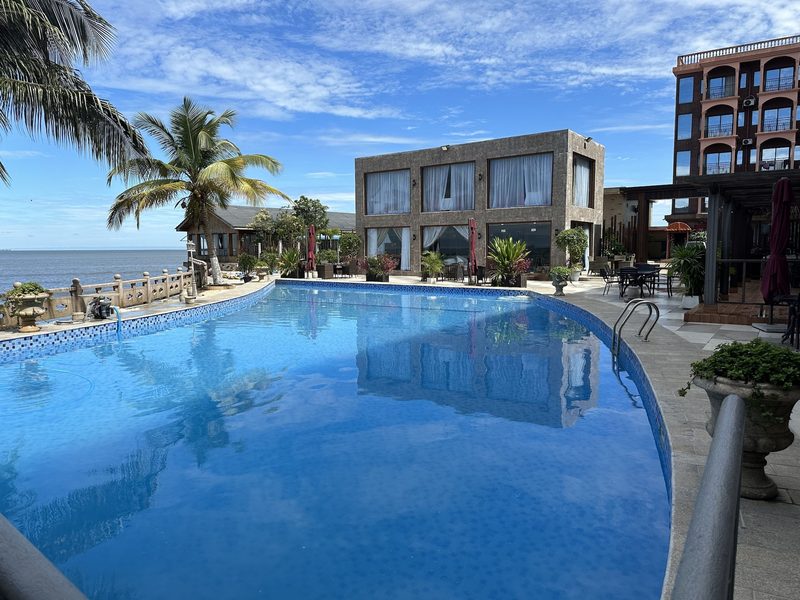
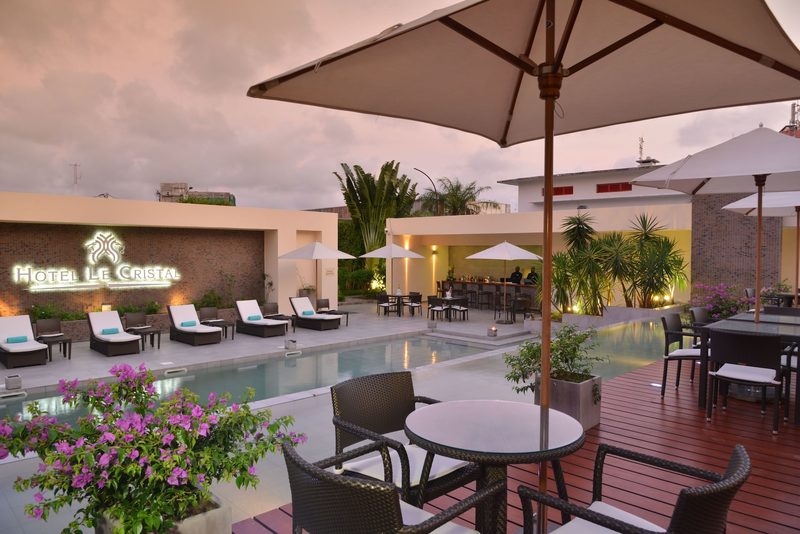
Hand-picked hotels across price tiers for November travellers.
Public Holidays in November
Dates that affect opening hours, transport and crowds
All Saints' Day
Observed nationwide as a public holiday.
All Saints' Day
Observed nationwide as a public holiday.
All Saints' Day
Observed nationwide as a public holiday.
Packing Checklist
Bookmark this page — your progress is saved between visits
Need the full list with shopping links?
Climate-specific gear, brand recommendations, and what to leave at home.
View Libreville Packing List →Essential Tips
Insider knowledge and common pitfalls to avoid
Insider Knowledge
Libreville's mornings between 6 and 8:30 AM are the only comfortable outdoor window in November. Locals know this instinctively. The markets are busiest at dawn. The Arboretum sees its only bird activity before 9. The waterfront Corniche fills with joggers and fishermen hauling nets before the heat and humidity clamp down. Plan your active sightseeing for this window. Retreat to air-conditioned spaces or covered restaurants by late morning.
The pirogue crossing to Pointe Denis operates on an informal schedule that gets looser in the rainy season. Boats leave from the waterfront near the port area. The trick is to arrive early and find a boat that already has passengers waiting. A half-empty pirogue will sit at the dock until it fills. That can mean an hour of sitting in the sun. Weekend mornings have the most reliable departures.
Gabonese food is built on three foundations you should learn to recognise: nyembwe sauce (the thick, ochre-coloured palm-nut reduction that coats chicken or fish), saka-saka (pounded cassava leaves slow-cooked into a dark green stew), and baton de manioc (dense, steamed cassava sticks wrapped in leaves that serve as the starch at every meal). Order poulet nyembwe at any roadside restaurant in the Mont-Bouet or Louis quarters. You will eat Gabon's national dish the way residents eat it. Skip the hotel version.
French is the working language of Libreville. English is rarely spoken outside of international hotels and embassy circles. Even basic transactional French (greetings, numbers, directions) dramatically changes how people interact with you. Taxi negotiations, market purchases, and restaurant orders all go smoother when you can manage in French. The warmth you receive in return is genuine.
Avoid These Mistakes
Underestimating Libreville's cost of living. First-time visitors to Central Africa often assume West African pricing. Gabon's oil economy inflates everything. Accommodation, meals, and transport cost significantly more here than in Accra, Dakar, or Nairobi. Budget accordingly. Do not expect backpacker-grade deals even in the low season.
Trying to do outdoor sightseeing between 10 AM and 3 PM in November. The combination of 28 degrees C (83 degrees F) heat, 89 percent humidity, and sudden torrential downpours makes midday excursions exhausting at best and dangerous at worst. The locals disappear indoors for a reason. Follow their lead. Use those hours for the museum, a long lunch, or the air-conditioned calm of a hotel lobby.
Skipping malaria prophylaxis because you are staying in the city. Libreville is urban. It is urban equatorial Africa at the height of the rainy season, and mosquito density in November is high. Standing water collects in every pothole and gutter. The bite you do not notice at dinner on the Corniche waterfront can put you in a hospital bed ten days later. Take your prescribed medication without exception.
Ready to plan your trip to Libreville?
Now that you've got the research covered, here's where to go next.
Explore More Activities in Libreville
Didn't see anything interesting yet?
Browse Viator's full catalog of tours, day trips, food experiences, and private guides in Libreville.
See All Libreville Tours on Viator