Things to Do in Libreville in July
July weather, activities, events & insider tips
Low Season · Budget Friendly
July Weather in Libreville
Long-run averages for July
79°F (26°C)
High Temp
71°F (22°C)
Low Temp
0.3 inches (8 mm)
Rainfall
80%
Humidity
9
Sunny-Day UV
⚠ Strong ocean currents and undertow persist along exposed Atlantic beaches throughout July. Swim only on the sheltered estuary side of Pointe Denis or in supervised areas. The ocean-facing beaches lack lifeguards and the rip currents are powerful enough to pull experienced swimmers offshore.
Is July Right for You?
Weigh the advantages and considerations before booking
Advantages
- + July is the driest month of the year by a dramatic margin, with just 0.3 inches (8 mm) of rain compared to November's 19.3 inches (490 mm). Outdoor plans from boat crossings to forest walks almost never get disrupted by weather. Plan accordingly.
- + Temperatures drop to their coolest and most walkable of the year, with highs around 26°C (79°F) and evenings settling near 22°C (71°F). This is a genuine relief from the sticky 30°C (86°F) wet-season afternoons. Short walks then leave you drenched in sweat.
- + Humpback whale migration peaks along the Gabon coast from June through September. July's calm seas and high whale density make it likely the best single month for sighting breaches and spouts. Boats depart directly out of Libreville's port. Book early.
- + The dry, firm ground opens forest trails in Lopé National Park and mangrove channels in Akanda National Park. These spend most of the year underwater or knee-deep in red laterite mud. July is one of the only months where serious wildlife exploration is reliably accessible. Go then.
Considerations
- − July falls squarely in French school holidays and the summer break window for Libreville's sizable oil-industry expat community. The main Air France route from Paris books up weeks ahead. Accommodation at the better hotels fills faster than in the shoulder months of June or September. Reserve now.
- − The cold Benguela Current that keeps July dry also pushes Atlantic water temperatures down to around 22-24°C (72-75°F). This is noticeably cooler than the 28°C (82°F) of March. Ocean swimming becomes more of a bracing plunge than a tropical soak. Pack accordingly.
- − Libreville remains one of Central Africa's most expensive cities regardless of season, driven by oil-economy pricing and heavy import dependency. The modest French holiday premium on flights and rooms in July compounds costs that are already steep by any regional standard. Budget generously.
Best Activities in July
Top things to do during your visit
Humpback Whale Watching Excursions on the Gabon Coast
July sits at the heart of the humpback migration window, when pods traveling north from Antarctic feeding grounds pass through the warm, shallow waters off the Gabon Estuary to breed and calve. Boat departures from Libreville's Port Môle or from the lodges at Pointe Denis put you within watching distance on most days. The whales tend to surface closer to shore than you might expect, sometimes breaching within a few hundred metres of the sand at Cap Santa Clara, throwing spray high enough to catch the light even under the flat grey sky that July tends to deliver. The overcast conditions help, to be fair: less glare on the water surface makes it easier to pick out the low white plume of a spout against the dark Atlantic. Morning departures between 7 and 9 AM catch the calmest water before the afternoon chop builds on the estuary, and trips typically run three to four hours. You will smell the salt and diesel of the port as you board, feel the cold spray the moment the boat clears the breakwater, and hear very little besides the engine and wind until the skipper cuts the throttle and you wait in that sudden, expectant silence for a whale to surface.
Booking Tip: Book at least two weeks ahead through operators based at the Port Môle or through Pointe Denis lodge concierges. Licensed operators carry life jackets, VHF radio, and follow whale-approach distance rules. Unlicensed pirogues skip all three. Morning departures fill first. See current tour options in the booking section below. Choose licensed.
Pointe Denis Beach and Estuary Day Trips
A twenty-minute speedboat crossing from Libreville's waterfront drops you on Pointe Denis, a sand spit where the Komo Estuary meets the open Atlantic. In July the peninsula is at its functional best. The sand is dry and firm underfoot, the mangrove-fringed backshore carries the clean salt-and-driftwood smell of a coast not being hammered by rain, and the handful of beach bars and lodge restaurants stay open past sunset because the weather cooperates. Swimming is better on the estuary side, where the water is calmer, slightly warmer, and free of the strong undertow that rips along the ocean-facing beach. Locals know this and swim accordingly. Bring your own drinking water and sun protection since supplies on the peninsula are limited and priced for captive audiences. The boat crossing itself earns the trip: the estuary is wide enough that Libreville's low skyline shrinks behind you while frigatebirds wheel overhead and the engine noise fades into the slap of small waves against the hull. The return crossing in late afternoon, with the city lights just starting to flicker on across the water, is one of those quietly cinematic moments that July's dry evenings hand you without effort.
Booking Tip: Pirogue and speedboat departures leave from the dock near the Gare Routière throughout the morning. Aim for the first crossing around 8 AM when the estuary is glassy and calm. Confirm your return boat the evening before to avoid being stranded. Check current excursion packages in the booking section below. Be punctual.
Akanda National Park Mangrove Kayaking and Birdwatching
Akanda National Park spreads across the mangrove coast just north of Libreville, and July is the one month when you can reliably reach its interior tidal channels without sinking into the grey, sucking mud that blocks access for most of the year. The dry-season water levels reveal root systems that look like tangled wooden sculptures rising out of dark, still water, and the reduced rainfall concentrates birdlife around the remaining freshwater pools. Grey parrots, African fish eagles, and palmnut vultures cluster in numbers that disperse across flooded forest the moment the rains return in September. Kayaking the channels at high tide gives you the best access: motorized boats handle the outer lagoons. But the interior narrows to passages barely wider than a double kayak, where the canopy closes overhead and the only sounds are dripping water, the creak of mangrove roots shifting with the tide, and the sudden screech of a parrot flushed from cover. The humidity inside the mangrove canopy runs noticeably higher than in the open city, and the still air smells of tannin and wet bark. Dress for damp even on a day the sky stays clear. Expect wet clothes.
Booking Tip: Guided kayak and boat tours depart from fishing villages along the northern coastal road toward Cap Esterias. Timing around the tide chart matters more here than in most parks. Book through eco-tourism operators who know the water, at least a week ahead. Group sizes stay small by necessity. See current availability in the booking section below.
Mont-Bouët Market Food Walking and Gabonese Cooking
Mont-Bouët is Libreville's central market and the sensory anchor of the city. This large, semi-covered labyrinth hits you immediately. The thick, smoky perfume of dried fish competes with the sharp green bite of fresh piment. The earthy, almost chocolatey aroma of odika paste, ground from wild mango seeds, completes the assault. July's dry ground keeps the unpaved aisles firm underfoot. The slippery red clay of the rainy season is gone. Lower humidity means the heat under the corrugated roofing feels workable. This is not suffocating. The market is best before 9 AM. Produce vendors are fully stocked then. Brochette sellers are just lighting their charcoal grills. Blue smoke curls up through the tin roofs into the grey morning sky. By late morning the fish section at the back takes on a pungency that can overwhelm first-timers. Look for the women selling bâtons de manioc. These fermented cassava sticks, wrapped in dark banana leaves, form the starch backbone of Gabonese cooking. Try the poulet nyembwe if you see it on offer. The chicken is braised in palm-nut sauce until the meat turns golden-orange. It pulls apart at a touch. This is what Libreville eats when nobody is performing for visitors.
Booking Tip: Walking the market with a French-speaking local guide transforms the experience from overwhelming to navigable. Arrange through your accommodation. Look for food-focused walking tour operators in the booking section below. Two to three hours covers the main sections. Market fatigue will not set in. Bring cash in small CFA franc notes. No vendor accepts cards.
Lopé National Park Multi-Day Wildlife and Forest Safari
Lopé National Park sits roughly 350 km (217 miles) southeast of Libreville. You can reach it by a five-hour drive on increasingly rough roads. A short domestic flight to the airstrip at Lopé village is the alternative. July is one of the strongest months to visit. The park holds UNESCO World Heritage status for good reason. Its transition zone, where equatorial forest meets open savanna, concentrates wildlife along corridors visible from the network of park roads. Forest elephants emerge onto the golden, dry-season grasslands at dusk. Western lowland gorillas and mandrills move through the forest understory. July's firm trails and reduced canopy drip make tracking them less of an endurance test than during the rains. Night drives along the park's laterite roads reveal bushbabies with reflective eyes. Civets slink across the beam of a spotlight. Occasionally you spot the armoured curl of a pangolin at the road edge. This is not the wide-open game-drive spectacle of East Africa. Sightings here require patience. Quiet feet help. You need a tracker who reads broken branches and knuckle prints in the mud. The primate density is among the highest in Central Africa. In July you can reach places the wet season simply locks out.
Booking Tip: Lopé requires a minimum two-night stay to justify the travel. Three nights gives you the best chance at gorilla and mandrill sightings. Book through licensed safari operators at least three to four weeks ahead. July sees higher demand from European visitors on summer holiday. Confirm whether your package includes the domestic flight or overland transfer. See current safari options in the booking section below.
Libreville Waterfront Nightlife and Live Gabonese Music
Libreville after dark runs on a rhythm distinct from anywhere else in Central Africa. The city's nightlife clusters along the waterfront corniche. It spreads through the blocks behind the Boulevard du Bord de Mer. Open-air bars spill Gabonese rumba and soukous-influenced grooves onto sidewalks. The concrete still holds the residual warmth of the day. July evenings, settling around 22°C (71°F), are the most comfortable nights of the year for sitting outside. Order a Régab. The local lager arrives cold and slightly sweet in a brown bottle already sweating condensation. Live bands work through sets that borrow from Congolese soukous and Cameroonian makossa in roughly equal measure. The bass lines carry through the humid air with a physicality you feel in your chest. Your ears sort out the melody later. The weekend scene picks up after 11 PM. It does not wind down until 3 or 4 AM. Weeknights are quieter. Some of the city's strongest musicians play Tuesday and Wednesday residencies at smaller venues. The crowd there is almost entirely local. The only language is French and Fang. Dress matters more than you might expect. Libreville takes going out seriously. Arriving in trail sandals and cargo shorts draws politely incredulous looks. The rest of the evening becomes uncomfortable.
Booking Tip: No advance booking needed for most bars and live music venues. Ask your hotel concierge where the live music is that specific night. Any taxi driver knows too. Lineups rotate. Taxis are the safest way home after midnight. For organized evening tours, check the booking section below.
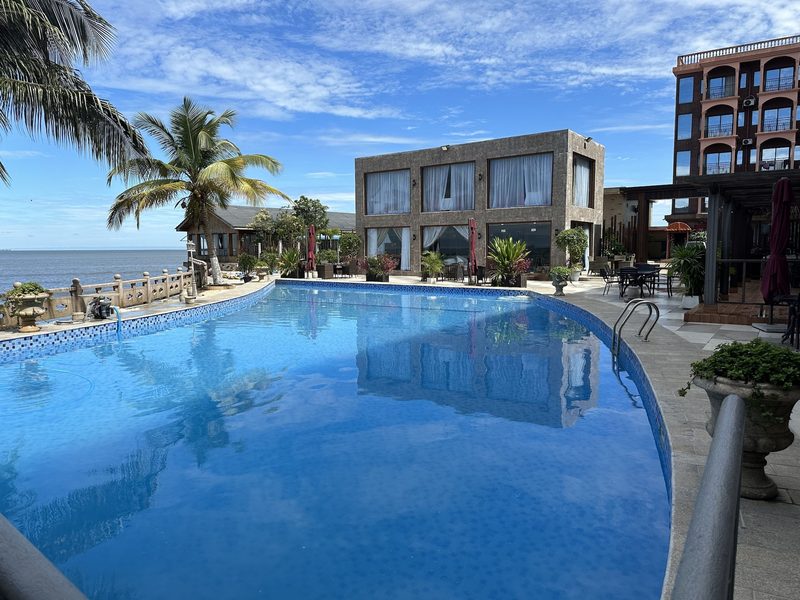
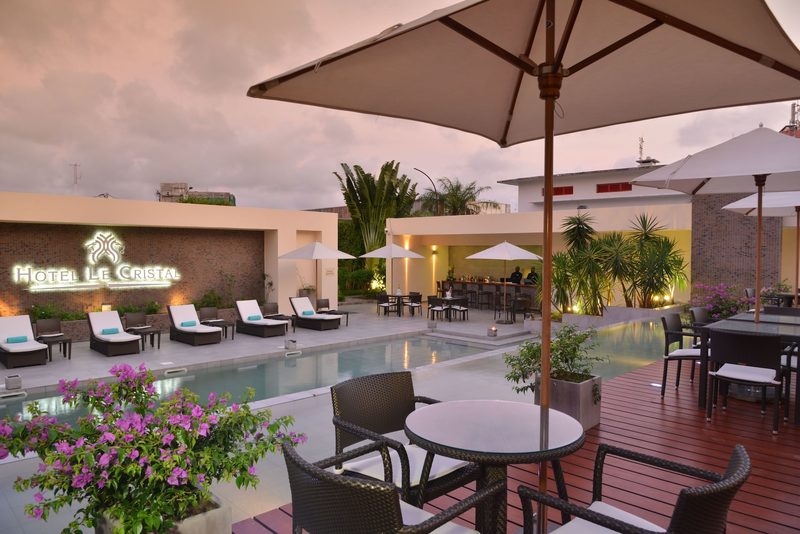
Where to Stay in Libreville in July
Hand-picked hotels across price tiers for July travellers.
Packing Checklist
Bookmark this page — your progress is saved between visits
Need the full list with shopping links?
Climate-specific gear, brand recommendations, and what to leave at home.
View Libreville Packing List →Essential Tips
Insider knowledge and common pitfalls to avoid
Insider Knowledge
The boat crossing to Pointe Denis is dramatically calmer before 9 AM. Afternoon swells on the Komo Estuary can turn a smooth twenty-minute ride into a lurching, spray-soaked forty-minute ordeal. This puts nervous travelers off the water for the rest of the trip. Morning departures are worth losing the sleep over.
Mont-Bouët market vendors set their best produce out at first light. The prime stalls sell through by mid-morning. Arrive after 10 AM and you browse what is left. The smoked fish section at the back of the market is Libreville's best source for dried and preserved ingredients to take home. Tightly wrapped odika paste and smoked game travel well in checked luggage. They clear customs in most countries as shelf-stable dried goods.
Libreville taxis do not run meters. Negotiate the fare before you get in. Have the exact amount ready in small CFA franc notes. Do not expect change. Drivers routinely quote higher fares after dark and to visibly foreign passengers. Ask your hotel front desk for the going rate to your destination before stepping outside. Use that number as your opening position.
July is the only month when you can reliably drive the full Route du Cap Esterias without hitting stretches of road flooded by rainwater. The fishing villages along this northern coastal road, about 30 km (19 miles) from central Libreville, serve grilled barracuda and capitaine fish cooked over wood coals at roadside tables facing the estuary. The fish comes off the boats the same morning. This is the meal worth making a half-day trip for.
Avoid These Mistakes
Never assume the overcast July skies mean sun protection is optional. The marine cloud layer that hangs over Libreville most mornings is thin enough for equatorial UV to cut through. Visitors who feel cool and comfortable all day find the damage as a deep, even sunburn by evening. Apply sunscreen as if the sky were clear.
Never swim on the open Atlantic side of Pointe Denis. The estuary-facing beach is calm and relatively safe. The ocean-facing shore has a strong, persistent undertow and zero lifeguard presence. Locals swim exclusively on the estuary side. There is a good reason the ocean beach is empty even on the nicest days. Follow their lead without exception.
Never arrive in Libreville without enough CFA francs in cash. Card acceptance is limited to international hotels and a handful of upscale restaurants. ATMs exist in the city center but dispense unpredictably, on weekends and holidays. The safest move is to bring euros and exchange at the airport on arrival. The CFA franc is pegged to the euro at a fixed rate. You lose nothing on the conversion. You gain the security of having working currency from the moment you land.
Ready to plan your trip to Libreville?
Now that you've got the research covered, here's where to go next.
Explore More Activities in Libreville
Didn't see anything interesting yet?
Browse Viator's full catalog of tours, day trips, food experiences, and private guides in Libreville.
See All Libreville Tours on Viator