Things to Do in Libreville in April
April weather, activities, events & insider tips
Low Season · Budget Friendly
April Weather in Libreville
Long-run averages for April
86°F (30°C)
High Temp
73°F (23°C)
Low Temp
13.3 inches (338 mm)
Rainfall
87%
Humidity
12
Sunny-Day UV
⚠ Tropical downpours hit hard. Intense rain can cause rapid localized flooding in low-lying parts of Libreville, around Mont-Bouet market and riverside neighborhoods. Streets that were dry at noon can be ankle-deep in red muddy water by 2 PM. Never walk through floodwater. It conceals open drains and debris.
⚠ Mosquito-borne disease risk rises in wet months. Malaria threat increases during the rainy season because of widespread standing water in urban and peri-urban Libreville. Begin antimalarial prophylaxis before arrival. Use DEET-based repellent daily. Sleep under a treated net if your accommodation lacks reliable air conditioning or screened windows.
⚠ Estuary waters turn rough fast. Coastal conditions can shift with little warning during April squalls. If you are taking a pirogue to Pointe Denis or along the Komo Estuary, confirm that the operator provides life jackets and has a weather cancellation policy. Never pressure an operator to depart. Trust their judgment.
Is April Right for You?
Weigh the advantages and considerations before booking
Advantages
- + The equatorial forest around Libreville hits peak green in April. Almost oppressively green. Every vine, every fern, every canopy layer swells with rain. This is Central Africa's coastal rainforest at full intensity. Photographers get soft, diffused light after morning showers. The kind that makes foliage glow without blowing out the sky. Worth planning for.
- + You will likely have Libreville's cultural sites almost entirely to yourself. April falls deep in the long rains. Casual visitors stay away. At the Musee National des Arts et Traditions du Gabon, at Eglise Saint-Michel de Nkembo with its extraordinary carved wooden columns, at the Arboretum Raponda Walker, you might be the only foreigner there. That solitude changes everything.
- + Accommodation pressure eases during the wet months. Libreville is expensive year-round, driven by oil and diplomatic traffic rather than tourism. April loosens availability at properties usually booked solid by business travelers during the dry-season conference circuit. You can negotiate a favorable rate. You can secure a room where you want to stay. Try the Plateau district.
- + April overlaps with the tail end of mango season. Libreville's markets still stack high with papaya, plantain, and small, intensely sweet local bananas. Nothing like the supermarket variety back home. Mont-Bouet market smells of overripe fruit and charcoal smoke. Women selling baton de manioc wrapped in dark green banana leaves wave you over. Refusal is not an option.
Considerations
- − 338 mm (13.3 inches) of rain is serious water. Libreville's April storms arrive in the afternoon as sudden, vertical downpours. Unpaved streets become shin-deep red laterite rivers within twenty minutes. Build flexibility into your plans. Some afternoons you simply wait under a corrugated zinc roof. The rain hammers that loud. Conversation becomes shouting.
- − Humidity sits at 87%. It rarely drops below 80% even at night. This wet heat soaks your shirt before you finish breakfast. It fogs your phone camera the moment you step outside from air conditioning. Sustained physical effort feels disproportionately exhausting. Acclimatization takes two or three days. You will still sweat through everything you own. Pack accordingly.
- − Boat crossings to Pointe Denis and Komo Estuary excursions grow less reliable in April. Operators cancel more frequently when swells pick up or storms roll in. Estuary chop turns a normally pleasant twenty-minute pirogue crossing into a wet, lurching affair. If Pointe Denis is your primary reason for coming, June through September is far safer. Plan around this.
Best Activities in April
Top things to do during your visit
Pointe Denis Beach and Coastal Forest Day Trip
Pointe Denis sits across the Komo Estuary from Libreville. A motorized pirogue covers the distance in roughly twenty minutes when conditions cooperate. April is not the most reliable month, admittedly. But on calm mornings the ride itself is half the experience. The brown river water widens into grey-blue Atlantic. Pirogues loaded with smoked fish pass the other way. Salt and outboard motor fuel mix in the humid air. The beach is a long, quiet stretch of pale sand backed by coastal forest. In April you will likely share it with almost nobody. The forest behind drips with moisture. The canopy is so thick that rain barely reaches the ground. The air underneath carries the heavy, sweet-rot scent of decomposing leaves and tropical flowers. Depart in the morning. Return by early afternoon before storms build. Accept that one or two attempts may get scrubbed by weather. That is the honest tradeoff.
Booking Tip: Book through a licensed boat operator at least two to three days ahead. Confirm the morning of departure. Cancellations due to weather are common in April. Check current excursion options in the booking section below. Expect the round trip to take a full half day including beach time. Plan accordingly.
Pongara National Park Wildlife and Forest Tours
Pongara National Park stretches south of the Komo Estuary. It protects a corridor of mangroves, savannah, and dense equatorial forest reaching the coast. In April the park is saturated. Trails run soft and muddy. The forest canopy hangs so heavy with rain that walking underneath feels like moving through a green, dripping cathedral. Leatherback turtle nesting has typically wrapped up by March. But this is likely your best window for birdlife. The wet season draws migratory species. It drives resident birds into more visible feeding patterns along forest edges and waterways. You might hear the metallic shriek of a grey parrot before you see it. You might catch the absurd, prehistoric silhouette of a black casqued hornbill crossing a canopy gap. Bring waterproof boots rated for mud, not just rain. The trails around the 10 km (6.2 mile) coastal loop will test anything less. The park sits less than 30 km (18.6 miles) from central Libreville. It feels like a different continent entirely.
Booking Tip: Arrange guided tours at least a week in advance. Ranger-led visits operate on limited schedules during the wet season. Insured guides with park authorization are essential. Trails can flood unpredictably. See current tour availability in the booking section below. Do not skip this step.
Libreville City Cultural Walking Tour
Start walking early. Libreville's morning light hits different. The coral facade of Cathedrale Sainte-Marie glows soft and strange before the heat arrives. Head south. Mont-Bouet market waits, no tourist setup but the real commercial engine of the city, a roofed maze where smoked fish and dried peppers hang thick in the air and vendors shout prices in French and Fang while machetes crack coconuts. Twenty minutes on foot brings you to Eglise Saint-Michel de Nkembi. The columns inside are single pieces of okoume wood, carved into Fang mythological figures. Catholic architecture fused with Central African craft. You will not find this elsewhere. The Musee National des Arts et Traditions du Gabon sits nearby. The Bwiti and Mvet masks inside startle with their raw expressiveness. April helps. The clouds keep temperatures walkable. Dry season glare would punish you.
Booking Tip: Licensed guides speaking French and English can be arranged through your hotel or booking platforms. Reserve three days ahead. Request 8 AM starts. Check the booking section below for current walking tour options.
Arboretum Raponda Walker Botanical Walk
The Raponda Walker Arboretum justifies the flight for certain travelers. Named for the Gabonese historian and botanist Andre Raponda Walker, this collection of equatorial hardwoods and medicinal plants peaks in April after weeks of rain. The okoume and kevazingo canopy seals shut overhead. The understory lives in green twilight. The air drops several degrees from city streets. It carries mushroom and bark, weeks of damp accumulated. Trails run roughly 3 km (1.9 miles) through primary and secondary forest. A good guide identifies traditional medicine species, including iboga, central to Bwiti spirituality and concentrated here alone. Birdsong layers and shifts every fifty meters. Go in the morning. Wear shoes you accept will stain red with laterite mud. You will not clean them.
Booking Tip: Visit with a local naturalist who knows medicinal plants and forest species. Book two days ahead. Check the booking section below for current guided nature walk options in Libreville.
Komo Estuary and Akanda Mangrove Boat Exploration
The Komo Estuary defines Libreville geographically. River meets ocean here in broad tidal collision. Akanda National Park protects one of Central Africa's most significant mangrove systems along its northern shore. April swells the estuary brown with rainwater. Channels run deeper into root systems than dry months allow. Depart around 7 AM from Libreville's port area. Morning boat tours hit the water before heat and weather build. You glide through stilt-rooted corridors where the surface mirrors tangled canopy overhead. Small waves slap the hull. Wading birds call from the shallows. Akanda holds Ramsar wetland status. April's high water draws herons, egrets, and migrant shorebirds in concentrations that birdwatchers plan trips around. The air smells brackish, alive, nothing like open sea. Watch the weather. Afternoon squalls turn rough fast. Good operators return you to dock before midday.
Booking Tip: Book estuary tours four to five days ahead during rainy season. Operators reduce schedules and need minimum numbers. Demand life jackets and covered vessels. See current boat tour options in the booking section below.
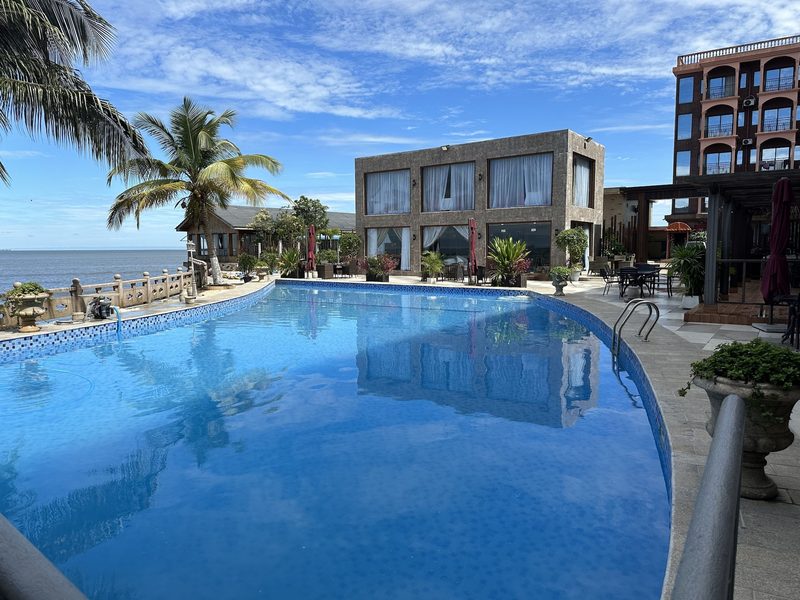
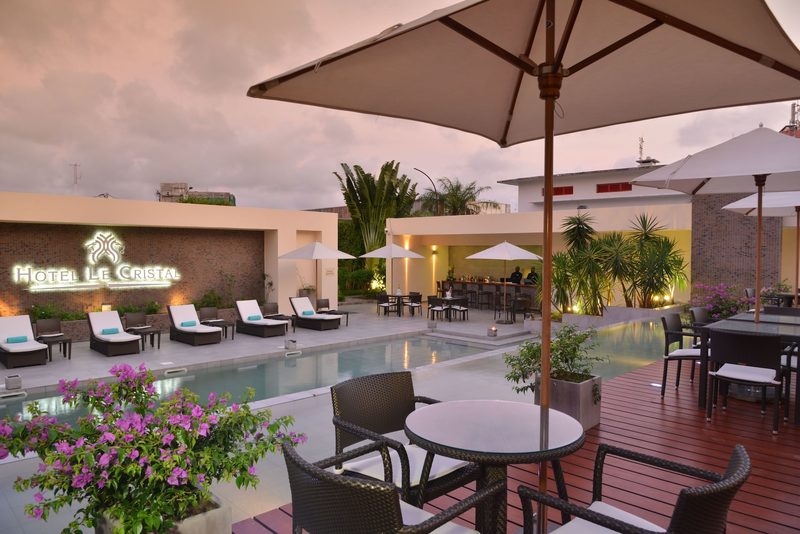
Where to Stay in Libreville in April
Hand-picked hotels across price tiers for April travellers.
Public Holidays in April
Dates that affect opening hours, transport and crowds
Women's Day
Observed nationwide as a public holiday.
Easter Monday
Observed nationwide as a public holiday.
Women's Day
Observed nationwide as a public holiday.
Packing Checklist
Bookmark this page — your progress is saved between visits
Need the full list with shopping links?
Climate-specific gear, brand recommendations, and what to leave at home.
View Libreville Packing List →Essential Tips
Insider knowledge and common pitfalls to avoid
Insider Knowledge
Ride-hailing through Yango works in Libreville and is generally more straightforward than negotiating with taxi drivers, during downpours when demand spikes and quoted fares tend to climb. The app lets you see the fare estimate upfront, which removes the guesswork. That said, service can be spotty in outer neighborhoods and during heavy rain when drivers stay off the road, so do not rely on it as your only transport option.
Libreville's nightlife concentrates along the waterfront and in the neighborhoods around Quartier Louis, where open-air bars serve cold Regab, the local beer, and music, usually a mix of Gabonese rumba and Congolese soukous, spills onto the street after 10 PM. The scene runs late by any standard, with most places not filling up until midnight. April's heat makes the outdoor spots more comfortable than enclosed clubs, and the rain tends to have stopped by evening. As a general safety note, stick to well-lit, populated areas after dark, take registered taxis or Yango rather than walking long distances at night, and keep valuables out of sight. Libreville is calmer than many Central African capitals. But petty theft does happen, around markets and transport hubs.
The best meals in Libreville in April are the simplest ones. Look for roadside grills, called maquis, where whole fish, usually capitaine or bar, is scored, rubbed with piment and garlic, and slow-turned over charcoal until the skin crisps and the flesh stays moist. It comes with fried plantains and a chili sauce hot enough to make your eyes water. Poulet nyembwe, chicken braised in a thick, oily, golden sauce made from palm fruit, is the national dish for a reason: it tastes like the forest distilled into something edible, rich and faintly sweet with a texture that coats everything. Baton de manioc, fermented cassava wrapped tightly in banana leaves and steamed into dense, slightly sour logs, accompanies nearly every meal and is an acquired texture if you have never had it.
If you are arriving from a temperate climate, give yourself two full days to acclimatize before attempting anything strenuous. The combination of 30°C (86°F) heat and 87% humidity at sea level is debilitating if you try to power through it, and April's cloud cover creates a deceptive sense that the heat is manageable when your body is working much harder than you realize to thermoregulate. Drink water relentlessly, rest in air-conditioned spaces during the midday hours, and schedule outdoor activity for early morning or after 4 PM.
Avoid These Mistakes
Underestimating how expensive Libreville is. This is an oil-economy capital where imported goods dominate and the cost of everything from meals to transport to accommodation runs significantly higher than neighboring countries or even many European cities. Travelers who arrive expecting Central African pricing are in for a genuine shock. Budget accordingly and do not assume that low tourist numbers mean low prices. They do not.
Planning a rigid day-by-day itinerary without rain flexibility. April's storms do not follow a schedule. Some days the downpour hits at noon, some days at 4 PM, some days it rains intermittently all afternoon. The travelers who enjoy Libreville in April are the ones who treat the rain as part of the rhythm rather than an obstacle, ducking into a maquis for grilled fish and a Regab when the sky opens, then continuing when it clears. Build two or three hours of flexible time into every day.
Skipping antimalarial medication because Libreville is a city, not a rural area. Malaria is present year-round in Gabon, and April's standing water from constant rain creates ideal mosquito breeding conditions everywhere, including in central Libreville neighborhoods. Consult a travel health clinic at least four to six weeks before departure, start prophylaxis on schedule, and use repellent and long sleeves at dawn and dusk regardless. This is not optional.
Ready to plan your trip to Libreville?
Now that you've got the research covered, here's where to go next.
Explore More Activities in Libreville
Didn't see anything interesting yet?
Browse Viator's full catalog of tours, day trips, food experiences, and private guides in Libreville.
See All Libreville Tours on Viator